
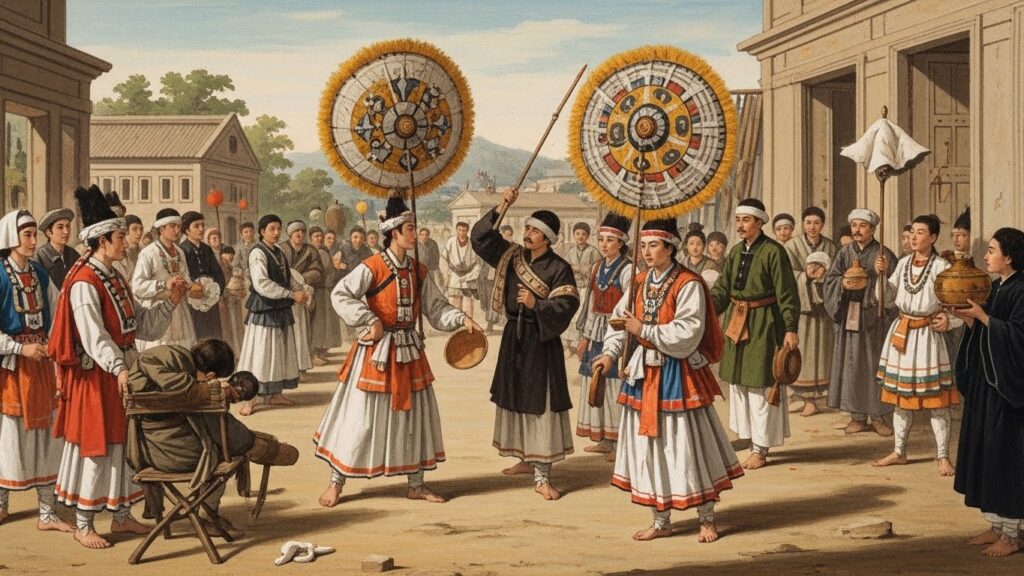
Phelicznik is a term that might not be familiar to everyone, but it carries a rich tapestry of cultural significance and historical depth. It embodies the heart and soul of communities, weaving together traditions and stories passed down through generations. As we delve into what Phelicznik represents, we’ll uncover its origins, explore vibrant customs surrounding it, and see how this fascinating concept continues to shape modern life. Whether you’re learning about it for the first time or looking to deepen your understanding, join us as we embark on this intriguing journey through history and culture.
What is Phelicznik?
Phelicznik is a captivating cultural practice that draws from deep-rooted traditions. It embodies the essence of community and connection among its participants.
At its core, Phelicznik represents more than just an event; it’s a celebration of heritage. People gather to honor their ancestors and share stories that have been passed down through generations.
The rituals involved in Phelicznik are rich with symbolism. Each element serves a purpose, whether it’s the food prepared or the music played. These practices evoke nostalgia while fostering unity among diverse groups.
Moreover, Phelicznik serves as a platform for artistic expression. Local artisans often showcase their talents during this time, adding vibrancy to the festivities.
In many ways, Phelicznik acts as a bridge between past and present. It invites individuals to reflect on their roots while embracing contemporary interpretations.
The Origin and History of Phelicznik
Phelicznik traces its roots back several centuries, deeply intertwined with local folklore and traditions. Originating in a small village nestled between lush hills, the event began as a harvest festival. Early farmers celebrated their bountiful crops with music, dance, and communal feasts.
As time progressed, Phelicznik evolved beyond mere agricultural rites. It incorporated elements from neighboring cultures through trade and migration. This blending of practices enriched the festivities.
Historical documents suggest that Phelicznik was first formally recognized in the mid-1800s. Communities gathered to honor not only their agricultural successes but also their shared heritage. Rituals were passed down through generations, each adding unique touches to the celebration.
By embracing both history and innovation, Phelicznik became a vibrant tapestry of human experience—reflecting resilience and unity among participants throughout changing times.
Cultural Significance and Traditions
Phelicznik is more than just a celebration; it embodies the heart and soul of its community. Traditionally, this event marks the transition from one season to another, bringing people together in gratitude for nature’s bounty.
Families gather to share stories and partake in time-honored rituals. These include preparing special dishes that have been passed down through generations. Each recipe tells a story, connecting the past with the present.
Music and dance are integral components as well. Local musicians play traditional instruments while participants join in vibrant dances that reflect their cultural heritage.
The atmosphere is charged with joy and camaraderie, reinforcing bonds among neighbors and families alike. Attendees often dress in bright colors, showcasing regional attire rich with symbolism.
Such practices serve not only as entertainment but also as a reaffirmation of identity and community values within Phelicznik celebrations.
Modern Day Celebrations and Practices
Modern-day celebrations of Phelicznik blend ancient traditions with contemporary flair. Communities gather to honor this rich heritage, often incorporating elements like music and dance.
Festivals now feature vibrant parades filled with colorful attire that reflect local culture. Artisans showcase their crafts, reviving skills passed down through generations.
Food plays a central role during these festivities. Traditional dishes are served alongside modern interpretations, creating a feast for the senses.
Social media has transformed how people engage in Phelicznik celebrations. Live streams of events allow distant family members and friends to participate virtually, fostering connections across borders.
Workshops have also gained popularity, where individuals can learn traditional practices related to Phelicznik. From crafting decorations to cooking regional specialties, these hands-on experiences deepen appreciation for cultural roots.
The spirit of community thrives as people come together not just to celebrate but also to educate one another about their shared history and values.
How Phelicznik has Evolved over Time
Phelicznik has undergone remarkable transformations throughout the years. Initially rooted in ancient traditions, it was celebrated with rituals that emphasized community and spiritual connection.
As societies evolved, so did the practices surrounding Phelicznik. What once focused heavily on agriculture now embraces a broader spectrum of cultural expressions. Festivals began to incorporate music, dance, and art, reflecting contemporary influences.
With globalization came new ideas and external influences. People started blending their own customs with traditional observances of Phelicznik. This fusion created unique celebrations that resonate across diverse communities today.
Technology also played a significant role in its evolution. Social media platforms allow for greater sharing of experiences and stories related to Phelicznik. As a result, younger generations are engaging with their heritage in innovative ways.
The essence remains intact while adapting to modern lifestyles—a beautiful testament to resilience and creativity within cultural identity.
Impact on Local Communities and Society
Phelicznik has left a significant imprint on local communities. It brings people together, fostering connections among individuals who share similar cultural roots.
Through its vibrant celebrations, community bonds are strengthened. Families gather to partake in traditions that span generations, reinforcing their identity and heritage.
Moreover, Phelicznik promotes economic activity. Local artisans showcase their crafts during festivities, attracting visitors eager to experience authentic culture. This not only supports small businesses but also enhances tourism within the area.
Education plays a crucial role too. Workshops and events centered around Phelicznik provide opportunities for younger generations to learn about their history and customs. They grow up with an appreciation for their cultural legacy.
Social cohesion emerges as diverse groups come together to celebrate shared values and experiences surrounding Phelicznik. This inclusivity enriches the community’s tapestry, creating mutual respect and understanding among different backgrounds.
Conclusion
Phelicznik stands as a vibrant testament to culture and history, connecting people through shared traditions and values. Its origins reveal a rich tapestry woven from the threads of time, showcasing how communities have celebrated their heritage. The cultural significance tied to Phelicznik is evident in the unique practices that bring families together, emphasizing unity and belonging.
Modern-day celebrations have adapted while still holding onto traditional roots. This evolution speaks volumes about the resilience of cultural identity in contemporary society. Communities continue to thrive around Phelicznik, fostering social bonds that enhance local character.
As we reflect on Phelicznik’s journey through history, it remains clear that this celebration is more than just an event; it embodies stories and experiences passed down generations. A profound impact resonates within local communities, inspiring creativity and collaboration while keeping traditions alive for future generations.
Embracing its past while looking toward the future ensures that Phelicznik will endure as a cherished aspect of cultural life.