
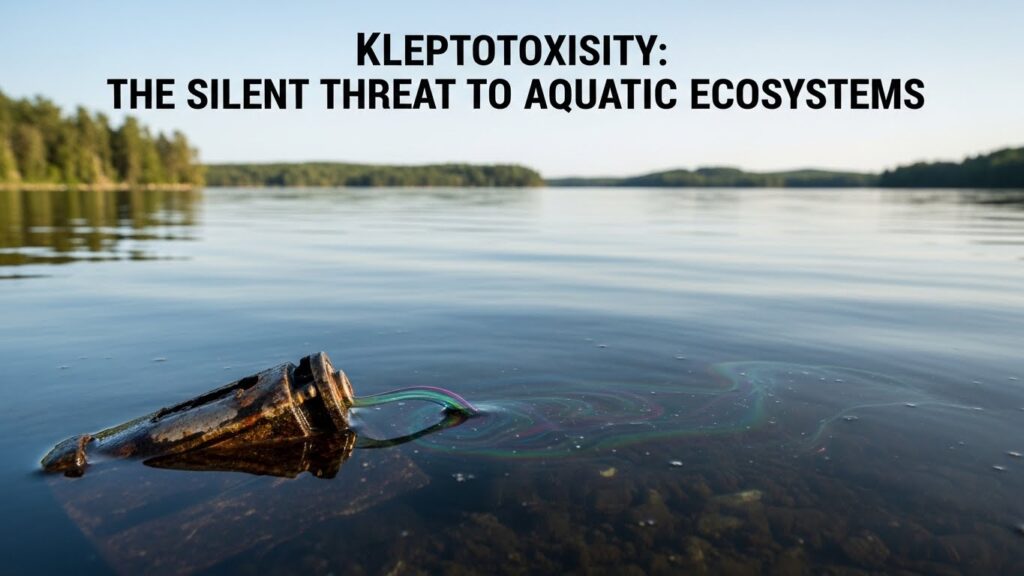
Imagine a world beneath the waves, where vibrant ecosystems thrive in harmony. Fish dart among coral reefs while plants sway gently with the currents. But lurking in this seemingly idyllic setting is an insidious threat—kleptotoxicity. This silent danger poses a significant risk to aquatic life and, ultimately, human health.
Kleptotoxicity refers to the harmful effects that toxic chemicals have on various organisms within water environments. These substances can disrupt ecosystems and lead to devastating consequences for marine species. As we delve deeper into this topic, it’s essential to understand what kleptotoxicity is and why it matters more than ever in today’s polluted world. Join us as we explore the dangers posed by toxic chemicals in our waters and uncover strategies for safeguarding these precious ecosystems from harm.
What is Kleptotoxicity?
Kleptotoxicity refers to the phenomenon where toxins are acquired and passed on by organisms in aquatic environments. This occurs when one organism consumes another that has accumulated harmful substances.
These toxic compounds can originate from various sources, including industrial waste and agricultural runoff. Upon ingestion, the consuming organism may not only suffer health consequences but also transfer these toxins up the food chain.
The implications of kleptotoxicity extend beyond individual species. It disrupts entire ecosystems, affecting predator-prey dynamics and altering population structures within aquatic habitats.
Understanding kleptotoxicity is crucial for protecting biodiversity in our waters. The more we learn about this silent threat, the better equipped we become to safeguard marine life against its adverse effects.
The Dangers of Toxic Chemicals in Aquatic Environments
Toxic chemicals in aquatic environments pose a significant threat to the balance of ecosystems. When harmful substances seep into water bodies, they disrupt the delicate interplay between species.
Aquatic life, from tiny plankton to larger fish, can absorb these toxins directly through their gills or by consuming contaminated food. This accumulation leads to bioaccumulation and biomagnification, where concentrations of toxins increase as you move up the food chain.
Pollutants such as heavy metals, pesticides, and pharmaceuticals can impair reproductive systems and stunt growth in organisms. These effects ripple throughout the ecosystem, impacting not only wildlife but also human health.
The presence of toxic chemicals often goes unnoticed until it’s too late. Monitoring our waters for contaminants is crucial to safeguard both marine life and communities that depend on clean water sources for survival.
Common Sources of Water Contamination
Water contamination often stems from various human activities and natural processes. Industrial runoff frequently introduces harmful chemicals into rivers and lakes. Factories discharge waste directly, impacting local ecosystems.
Agricultural practices can also contribute significantly to water quality issues. Pesticides and fertilizers wash off fields during rainstorms, carrying toxins into nearby water bodies.
Urban areas face their own challenges. Stormwater runoff collects debris, oil, and heavy metals as it flows over streets before entering streams or reservoirs.
Household products shouldn’t be overlooked either. Improper disposal of pharmaceuticals, cleaning agents, and personal care items can lead to chemical buildup in aquatic environments.
In many cases, wildlife adds another layer of complexity. Animal waste near waterways enriches the ecosystem but can introduce pathogens that threaten both aquatic life and human health. Understanding these sources is crucial for addressing kleptotoxicity effectively.
Impact of Kleptotoxicity on Aquatic Organisms
Kleptotoxicity poses a significant risk to aquatic organisms, affecting their survival and health. This phenomenon often occurs when one species consumes another that has ingested toxic substances. The toxins can accumulate in the food chain, leading to devastating consequences.
Many fish and invertebrates struggle with reproductive issues due to exposure to these harmful chemicals. Altered hormonal functions are common, resulting in decreased fertility or even population declines.
Moreover, kleptotoxic effects extend beyond individual organisms. Entire ecosystems suffer as sensitive species become overly stressed or die off. The balance of marine environments is disrupted, making it difficult for other wildlife to thrive.
Predators face challenges too; they may find themselves consuming tainted prey and experience adverse health effects. Vulnerabilities increase as these predators exhibit weakened immune systems and reduced resilience against diseases.
Human Health Concerns and Risks Associated with Kleptotoxicity
Kleptotoxicity poses serious risks not only to aquatic life but also to human health. The toxic substances that accumulate in the food chain can eventually reach us through seafood consumption. When we eat contaminated fish or shellfish, harmful chemicals enter our bodies and can lead to various health issues.
Exposure to these toxins has been linked to neurological disorders, reproductive problems, and even certain types of cancer. Vulnerable populations, such as pregnant women and children, are particularly at risk due to their developing systems.
The effects may not be immediate; some symptoms might take years to manifest. This delayed response makes it challenging for individuals to connect their health issues back to kleptotoxic exposure.
As awareness grows about these dangers, understanding kleptotoxicity becomes increasingly vital for public health initiatives aimed at ensuring safe aquatic food sources.
Strategies for Prevention and Mitigation of Kleptotoxicity
Addressing kleptotoxicity requires a multi-faceted approach. First, public awareness is crucial. Educating communities about the implications of toxic chemicals helps foster responsible behaviors.
Regulatory measures play a significant role as well. Governments must enforce stricter regulations on industrial waste disposal and agricultural runoff to minimize contamination in water bodies.
Promoting green chemistry can lead to safer alternatives for chemical production. Encouraging industries to adopt eco-friendly practices can significantly reduce harmful discharges into aquatic ecosystems.
Community initiatives are also vital. Organizing clean-up events along rivers and lakes not only removes pollutants but also engages local populations in environmental stewardship.
Investing in technological advancements offers new solutions too. Developing effective filtration systems for wastewater treatment plants ensures that contaminants are removed before they reach natural waters, safeguarding aquatic life from the dangers of kleptotoxicity.
The Importance of Protecting Our Aquatic Ecosystems from Kleptotoxicity
Protecting aquatic ecosystems from kleptotoxicity is crucial for maintaining biodiversity. These environments are home to countless species, each playing a vital role in their habitats.
When toxic substances infiltrate waterways, they not only harm individual organisms but disrupt entire food webs. This destabilization can lead to the decline of key species and loss of ecological balance.
Healthy aquatic systems provide numerous benefits, including clean water and recreational opportunities. They also contribute significantly to our economy through fishing and tourism.
By safeguarding these ecosystems from kleptotoxic threats, we ensure that future generations can enjoy their beauty and resources. Effective conservation strategies are essential in preventing contamination and promoting recovery efforts.
Awareness is key in combatting this silent danger. Communities must come together to advocate for cleaner practices that protect our precious waters. Every action counts when it comes to preserving the health of our planet’s aquatic life.
Conclusion
Kleptotoxicity poses a significant threat to our aquatic ecosystems, often lurking unnoticed beneath the surface. This phenomenon arises when toxic chemicals enter water bodies, affecting not only marine life but also human health at large. As we navigate through this complex issue, it’s essential to recognize its sources and impacts on both flora and fauna.
The consequences of kleptotoxicity extend beyond immediate environmental concerns. Aquatic organisms suffer from diminished populations, disrupted food chains, and altered behaviors that can have cascading effects throughout their habitats. The risks do not stop there; humans who rely on these waterways for drinking water or recreational activities face serious health challenges as well.
Addressing kleptotoxicity requires collaborative efforts focused on prevention and mitigation strategies. By identifying pollution sources and implementing stricter regulations on chemical discharges, we can safeguard our waters for future generations. Public awareness campaigns play a crucial role in educating communities about protecting their local ecosystems.
The protection of aquatic ecosystems against kleptotoxicity is vital for maintaining biodiversity and ensuring the sustainability of natural resources that many depend upon. It’s time to take action before it becomes too late—our oceans, rivers, and lakes deserve better stewardship than they currently receive.