
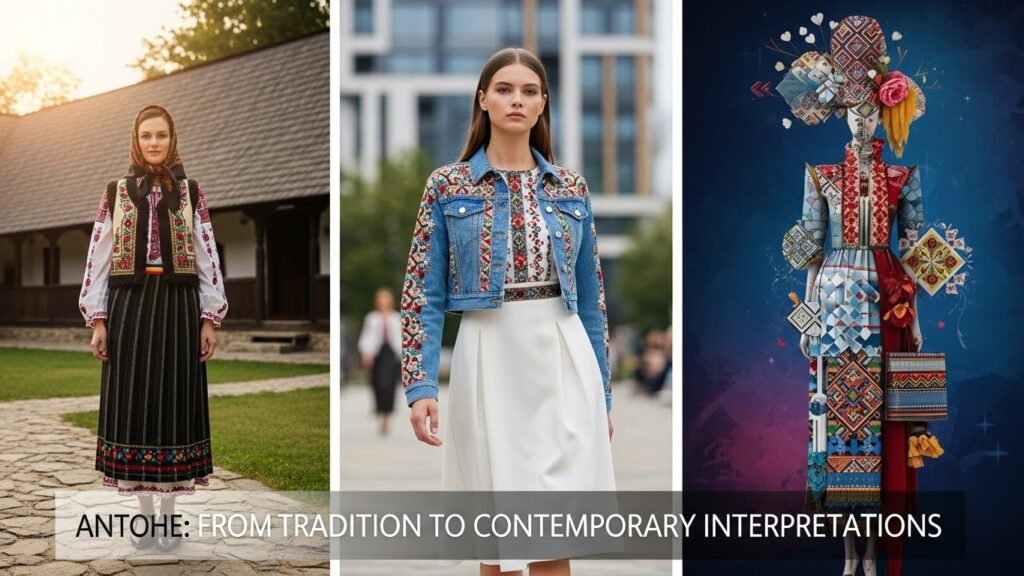
Antolohe is more than just an art form; it’s a vibrant tapestry woven from threads of history, culture, and creativity. This unique expression captures the essence of tradition while inviting modern interpretations that breathe new life into its practice. As we delve into the world of Antolohe, you’ll discover not only its rich origins but also how contemporary artists are reshaping this age-old craft to resonate with today’s audience. Whether you’re an art enthusiast or someone curious about cultural heritage, exploring Antolohe will undoubtedly captivate your imagination and deepen your appreciation for this remarkable form of artistic expression.
What is Antolohe?
Antolohe is a captivating art form that blends tradition and creativity. Rooted in cultural narratives, it reflects the identity of communities through stunning visual expressions.
This unique craft involves intricate designs and storytelling elements. Artisans use various techniques to bring their visions to life, often inspired by nature, mythology, or daily experiences.
The beauty of Antolohe lies not only in its aesthetics but also in its ability to convey deep meanings. Each piece serves as a dialogue between the past and present, preserving history while embracing innovation.
As artists explore new mediums and styles, Antolohe continues to evolve. This adaptability allows it to resonate with contemporary audiences while honoring its rich heritage.
Origins and history of Antolohe
Antolohe has deep roots that trace back centuries. This vibrant art form emerged among indigenous communities, reflecting their cultural narratives and spiritual beliefs.
Traditionally, Antolohe served not just as decoration but as a means of storytelling. Each piece conveyed rich symbolism tied to local myths and daily life.
The techniques were often passed down through generations, showcasing the skill and creativity of artisans. They utilized materials sourced from nature—wood, clay, and fibers—imbuing each work with authenticity.
As societies evolved, so did Antolohe. While maintaining its historical significance, it began to absorb influences from modern artistic movements.
This evolution is pivotal in understanding how the past intertwines with contemporary expressions today. The origins of Antolohe continue to resonate within its current interpretations while honoring those who came before us.
Traditional techniques and materials used in Antolohe
Antolohe relies on a rich palette of traditional materials. Artisans often use locally sourced pigments to bring their creations to life. These colors are derived from natural elements, ensuring that each piece resonates with authenticity.
Crafting Antolohe involves intricate techniques passed down through generations. The artisans employ methods such as weaving and carving, which require immense skill and patience. Each stroke tells a story, connecting the artist to their cultural heritage.
Additionally, many artists incorporate organic materials like wood or clay into their work. This choice not only enhances the visual appeal but also emphasizes sustainability within the craft.
The dedication to these time-honored practices reflects a deep respect for tradition while allowing room for personal expression in every piece created.
Evolution of Antolohe into contemporary art
The evolution of Antolohe into contemporary art reflects a dynamic interplay between tradition and modernity. Artists today are reimagining the age-old techniques, infusing them with fresh perspectives.
Contemporary practitioners often experiment with various mediums. They blend traditional methods with digital tools, expanding the boundaries of this expressive form. This fusion not only preserves cultural heritage but also makes it relevant to younger audiences.
Themes within Antolohe have shifted as well. Modern artists address current social issues, weaving narratives that resonate on multiple levels. The use of vibrant colors and innovative designs speaks to a new generation’s taste while honoring ancestral practices.
Exhibitions showcasing contemporary Antolohe highlight these transformations, drawing attention from both local communities and international art lovers alike. Through this ongoing evolution, artists ensure that Antolohe remains a living art form, rich in history yet always adapting to the present moment.
Modern interpretations and styles of Antolohe
Modern interpretations of Antolohe showcase a vibrant fusion of tradition and innovation. Artists today are experimenting with various mediums, including digital art and mixed media, pushing the boundaries of this ancient craft.
Contemporary styles often infuse bold colors and abstract forms into traditional patterns. This shift captivates new audiences while honoring the essence of Antolohe’s roots.
Some creators incorporate storytelling elements, weaving narratives that reflect current social issues or personal experiences. These pieces resonate deeply with viewers, making the art relevant in today’s context.
Collaborative projects also emerge frequently, where artists from diverse backgrounds contribute their unique perspectives to collective works. The result is a dynamic tapestry that highlights cultural dialogue and shared creativity.
The evolution continues as more artists redefine what it means to embrace Antolohe in modern times, ensuring its place in contemporary art discussions around the world.
Impact on the local community and preservation efforts
Antolohe plays a vital role in the local community, serving as a bridge between generations. Artists often pass down techniques and stories to their children, fostering a sense of pride and identity.
Local workshops are becoming hubs for creativity. They attract both locals and tourists eager to learn about this unique art form. This interest helps stimulate economic growth while preserving cultural heritage.
Community events celebrate Antolohe with exhibitions and performances. These gatherings not only showcase the artistry but also strengthen communal bonds. Participants find joy in sharing their skills and experiences.
Preservation efforts are gaining momentum as well. Organizations collaborate with artists to document traditional methods, ensuring they are not lost over time. By combining old practices with modern approaches, they keep Antolohe relevant today while honoring its rich history.
The enduring beauty and significance of Antolohe as an art form
Antolohe captivates with its rich textures and vibrant colors. This art form weaves stories that reflect the cultural heritage of its creators. Each piece carries a deep meaning, connecting generations through shared experiences.
The craftsmanship involved in Antolohe showcases incredible skill and dedication. Artisans pour their hearts into every detail, preserving traditions while inviting fresh interpretations. This balance ensures that the essence of Antolohe remains alive.
Moreover, it fosters community pride and unity. Local artists often collaborate, sharing techniques and ideas to elevate their craft further. The result is a dynamic dialogue between past influences and contemporary expressions.
As Antolohe continues to evolve, it retains an undeniable charm that resonates with audiences worldwide. Its significance lies not only in aesthetics but also in the cultural narratives it embodies—a bridge linking history with modernity.
Conclusion
Antolohe stands as a testament to the rich tapestry of cultural heritage and artistic expression. Its evolution from traditional roots into contemporary interpretations showcases the adaptability and resilience of this art form. The techniques and materials used by artisans connect generations, reminding us of their ancestral wisdom while inspiring modern creativity.
As Antolohe continues to thrive within local communities, its impact extends beyond aesthetics. It fosters pride in cultural identity and promotes preservation efforts that honor history while embracing innovation. Each piece tells a story—of tradition, transformation, and shared experiences.
The beauty of Antolohe lies not only in its visual appeal but also in its ability to bridge past and present. This art form encapsulates emotions and narratives that resonate deeply with individuals across time periods. As we celebrate both classic styles and new interpretations, it’s clear that Antolohe will remain a cherished part of our artistic landscape for years to come.