
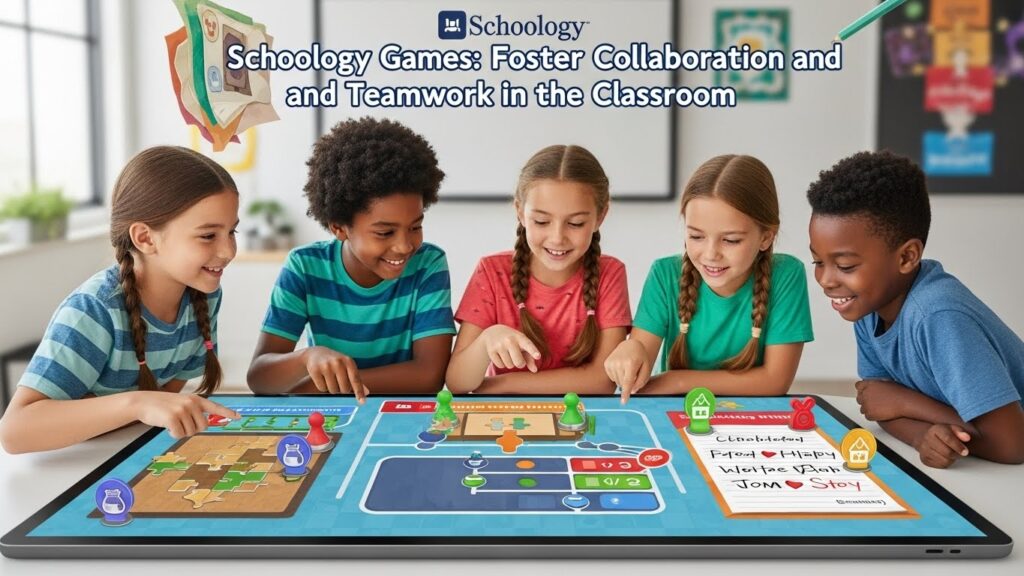
Imagine a classroom buzzing with energy, where students are not just passive learners but active participants in their education. The secret? Schoology Games. These innovative tools have the power to transform traditional lessons into interactive experiences that foster collaboration and teamwork. In today’s digital age, engaging students through gamified learning is more important than ever. With Schoology Games, educators can create an environment where creativity flourishes, communication thrives, and collective problem-solving becomes second nature. Let’s dive into what makes Schoology Games a game-changer for both teachers and students alike!
What is Schoology Games?
Schoology Games are interactive tools designed to enhance the learning experience in classrooms. They leverage the power of gamification, which integrates game-like elements into educational settings.
These games can take various forms, from quizzes and puzzles to collaborative projects. The primary goal is engaging students while making learning fun.
Teachers create these games within the Schoology platform, allowing for seamless integration with existing coursework. This flexibility means educators can tailor challenges that align perfectly with their lesson objectives.
By incorporating Schoology Games, teachers encourage exploration and curiosity among students. It shifts the focus from traditional rote memorization to active participation and critical thinking skills.
The result? A dynamic classroom environment where knowledge retention increases alongside student motivation.
Benefits of Using Games in the Classroom
Games bring a dynamic energy to the classroom. They engage students in ways traditional teaching methods often can’t achieve.
When playing, learners are more likely to stay focused and retain information. The interactive nature of games encourages active participation, making lessons lively and memorable.
Moreover, games can cater to various learning styles. Whether visual, auditory, or kinesthetic, there’s something for everyone. This inclusivity helps ensure all students feel involved.
Collaboration is another vital benefit. When working together towards a common goal in a game setting, students build social skills while fostering friendships.
Utilizing games promotes healthy competition and motivation among peers. Students often push themselves further when they know there’s an exciting challenge ahead.
How Schoology Games Promote Collaboration and Teamwork
Schoology Games create an engaging environment where students naturally collaborate. When faced with challenges, they learn to rely on each other’s strengths. This interaction fosters communication skills that are invaluable both in and out of the classroom.
Working together towards a common goal encourages problem-solving as a team. Students brainstorm ideas, share insights, and develop strategies collectively. Each game presents unique scenarios that require thoughtful discussion and cooperation among peers.
Moreover, Schoology Games can break down social barriers. As students team up, they build relationships based on trust and mutual respect. Different perspectives are valued in this collaborative space, enhancing inclusivity within the classroom.
These games also promote accountability; when working in teams, students feel responsible not only for their performance but also for supporting their classmates’ success. Engaging in teamwork prepares them for future endeavors beyond school walls.
Examples of Games that Foster Collaboration and Teamwork
Escape rooms are a thrilling way to promote teamwork. Students work together to solve puzzles, using critical thinking and communication skills.
Another engaging option is digital scavenger hunts. These games challenge students to collaborate in finding clues or items online, fostering creativity and problem-solving abilities.
Role-playing scenarios can also be effective. Students take on different roles within a story or historical context, encouraging them to discuss ideas and make collective decisions.
Team-based quizzes add an exciting twist to traditional assessments. Groups compete against each other while sharing knowledge, which enhances both learning outcomes and social interactions among peers.
Project-based challenges offer another unique avenue for collaboration. Teams tackle real-world problems by brainstorming solutions together, allowing for diverse perspectives and group input throughout the process.
Tips for Integrating Schoology Games into Lesson Plans
Integrating Schoology Games into lesson plans can enhance student engagement. Start by selecting games that align with your curriculum goals. This ensures students are learning while playing.
Consider group dynamics when forming teams for the games. Mix different skill levels to promote collaboration and peer support among students.
Set clear objectives for each game session, allowing students to understand what they should achieve. This clarity will keep them focused and motivated.
Incorporate reflection time after each game. Encourage students to discuss their experiences and what strategies worked best in their groups.
Be adaptable. Monitor how well the games resonate with your class and make adjustments as needed to ensure everyone participates fully in the learning process.
Success Stories of Teachers Using Schoology Games
Teachers across the globe are finding immense success with Schoology Games. One middle school science teacher introduced trivia challenges related to her curriculum. Students eagerly participated, motivated by competition and teamwork.
Another high school math educator integrated problem-solving games into his lessons. His students not only improved their mathematical skills but also learned how to collaborate effectively in groups.
A rural elementary school reported a significant boost in student engagement after implementing collaborative storytelling games. Children worked together to create narratives, enhancing both creativity and communication skills.
These stories illustrate that when educators embrace Schoology Games, they unlock new pathways for learning and interaction among students. The positive changes extend beyond academic performance; students develop crucial social skills as well, preparing them for future collaboration in diverse environments.
Why Schoology Games Should Be Utilized in Every Classroom
Schoology Games bring a fresh approach to learning that can transform the traditional classroom environment. By incorporating interactive elements, these games engage students on multiple levels.
Every student has unique learning styles. Schoology Games cater to diverse preferences, ensuring everyone feels included and motivated. They encourage active participation rather than passive absorption of information.
Moreover, fostering collaboration is crucial in education today. These games promote teamwork, teaching students how to communicate effectively and solve problems together. Skills like leadership and empathy develop naturally through shared experiences.
Using Schoology Games also prepares learners for real-world challenges. In an increasingly digital world, familiarity with technology enhances their adaptability in various situations.
Teachers benefit too; they can easily track progress and tailor lessons based on game outcomes. This data-driven approach helps refine instructional strategies while keeping lessons dynamic and fun!
Conclusion
Schoology Games hold the potential to transform traditional teaching methods into dynamic, interactive experiences. By integrating these games into lesson plans, educators can create an engaging learning environment that not only promotes collaboration and teamwork but also develops essential skills in students.
As more teachers embrace technology in their classrooms, Schoology Games emerge as a powerful tool for enhancing student interaction and participation. With numerous examples available to choose from, educators can design activities tailored to their specific curriculum needs while fostering meaningful connections among students.
Success stories abound of teachers who have successfully implemented Schoology Games and witnessed remarkable improvements in classroom dynamics. The benefits are clear: improved communication skills, enhanced problem-solving abilities, and greater empathy among peers.
There is no doubt that incorporating Schoology Games should be a priority for every educator looking to elevate the classroom experience. Embracing this innovative approach could redefine how students learn and interact with one another for years to come.